
Mobile First?

One of the recent catch phrases in web development these days is “Mobile First”. The idea behind it is that since mobile now comprises the majority of web traffic, that’s what should get our most attention.

To many web designers, mobile first means “do a mobile layout first and then worry about the desktop experience later.” As a result, these designers give up the freedom that having a blank canvas affords. In other words, their designs look overly simplistic when viewed on a large device.
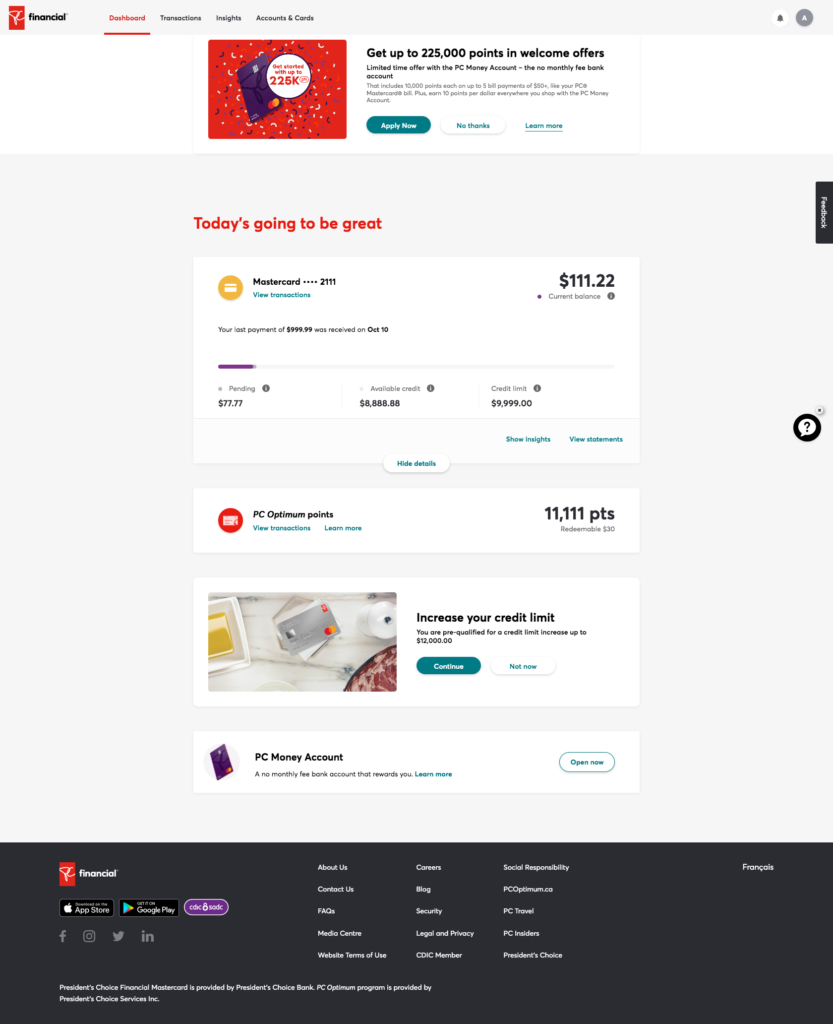
Should it take many screens of scrolling to find the information I need?

We fought for this

I started building websites professionally in 1996, when dial-up internet was the norm, and layouts were done using HTML tables. Once a page size exceeded 200KB, it was considered too large. We designed for 640 pixel wide screens at first, and if you happened to have 800 pixels on your CRT monitor you learned to live with condensed layouts.

Imagine my delight when CSS allowed designers to really work with the screen size instead of against it. Soon you could use fancy graphic backgrounds, custom graphic buttons, even rollover effects which didn’t require JavaScript programming.

Along the way bandwidth steadily increased. Nowadays a single homepage can easily exceed 10 MB and nobody complains. In the right hands, this can result in very beautiful experiences on the web.

The better way: User First

Websites are for people, not devices. If you remember that, a lot of the building blocks become easier to craft:

  • User interface isn’t just simple—it should be always organised to take advantage of the space available so the user can get more done, quicker.
  • Use less data if you can provide a comparable user experience. Compress your scripts. Lazy load your images. Choose the right image formats. Use an adaptive image compressor on your server to serve smaller images to mobile users.
  • Make it pretty and then simplify for mobile. People simply like to see graphics and the simple fact is that larger screens allow for more. Make sure it’s appropriate, but let your creative muscle get some exercise.

Web design is a craft, and it is communication. Embrace your end user and you will enjoy your job, and your users will enjoy what you produce.
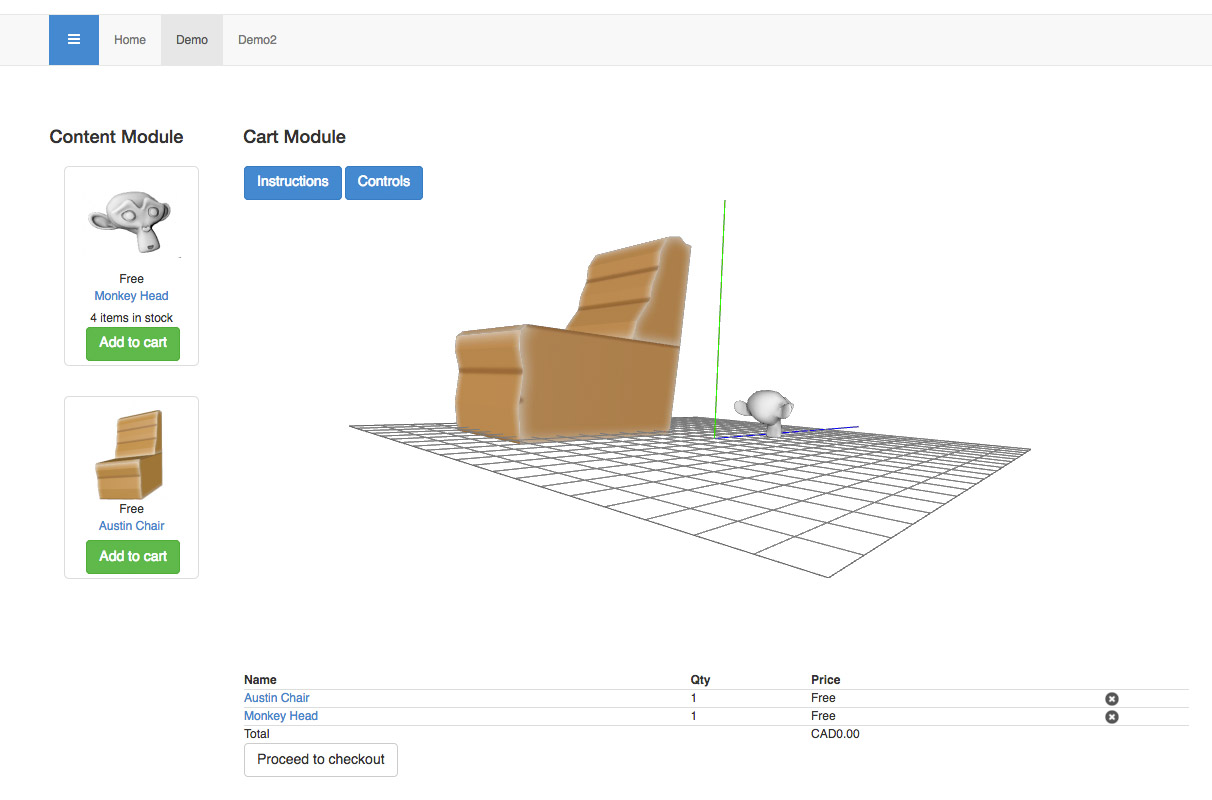
Work Update – Building a 3-D Web Store

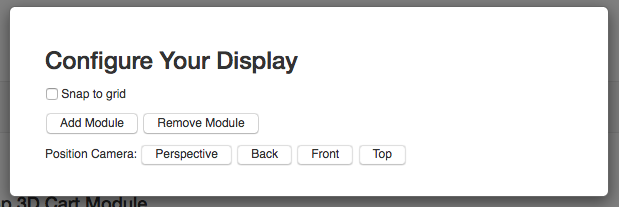
Lately I’ve been working on a couple projects which use 3-D technology to arrange and display merchandise. One project is tied to a Joomla web store which will handle organising the 3-D models, saving scenes and selling of the real merchandise. The other is done using Haxe and Away3D, and would be compatible with mobile devices potentially.

View of the 3-D scene builder Currently used controls on the 3-D shopping cart

Please [email-obfuscate email=”secrets@confidant.ca” link_title=”let me know”] if this interests you for your business. I will likely post more about this later!


Making do…thoughts from a Saskatchewan web developer

I wrote about my grandmother a while ago, so why don’t I bring up my grandfather with equal reverence for a bit?

Norman Dowdeswell was a Saskatchewan farmer who lived through the Great Depression. As such, he was somewhat resistant to buying something new when a bit of “fixer-upping” in the shop would result in getting something working again. He never threw anything remotely usable away. This was evidenced by his large piles of scrap metal in the yard and myriad jars and tins, filed with everything from used nails to retired drawer handles, lining the walls of his shop.

When we were doing farm work out in Grampa’s yard, my Dad and I would often have a chuckle at some of his make-do’s we discovered. Having a sore hip, Grampa made himself a cane for yard use by sawing off a hockey stick to the right length. He built a kids’ merry-go-round (known in our family as The Whirl-a-Gig) out of a big old tractor wheel. He made his own cab for the old Fordson tractor out of plywood and angle iron, and I couldn’t tell you how many items such as grain shovels which developed a hole at some period in their life and were later patched using braised brass.

So what does his grandson doing web design in Saskatoon draw from all of this?

1. New stuff can be a world of pain

Not only is new stuff an unnecessary driver of capitalism, it can be simply a recipe for heartache.

How many times have you upgraded your computer’s operating system for the Wonderful New Features it offers, only to discover that your other software and hardware ceases to work properly? What starts out as a free upgrade so often results in many hours and dollars spent on new software, driver upgrades, expensive dongle adapters, or new peripherals. And the old installation discs, manuals, and fully-functional hardware end up either recycled or in the landfill. Often there’s no going back.

Right now I am two OS versions behind on my laptop because I know if I upgrade, my whole Adobe Creative Suite will hit the toilet and I’ll need to upgrade that and start paying subscription fees. I’ve tried Illustrator CC on my machine and it is so slow as to be unusable. Are things good enough right now? You bet they are.

2. Sometimes new ain’t new enough

“What does it cost to migrate to WordPress?” These are words I often hear from people with perfectly good websites. Even when I could make a ton of money from an expensive upgrade, I’d much rather have a client get good value from what they already have.

Sometimes a user has a robust CMS such as Joomla, and finds the feature set is simply overwhelming. Often they don’t understand that Joomla is already preventing problems which are typical to other systems, and providing features they don’t have.

If the user needs simplicity, there are many options for easy editing in Joomla, whether it is custom administrator templates, using front-end editing, installing a blogging component, or simply having a training session. Good web developers should be training their clients properly when building a site, and stick around to guide their clients in managing it.

3. Know when to give in

I do my best to resist “the new” but the time will come when a major upgrade just makes sense. For example, I had a client with an older version of Joomla ask me if they should upgrade. For a couple years my answer was no, because there was no security concern. However, a security issue was recently uncovered which affected many old versions of Joomla. I was quick to recommend the upgrade.

My grandfather bought a new car in his later years. With his health declining, it just made sense to have a reliable vehicle for long road trips.

Thank you for reading this. I hope that 2017 will be a good trip for you!